
As we step into 2025, the world of interior design continues to evolve, reflecting both timeless elegance and modern adaptability. This year, TEN key trends are shaping homes and spaces, ensuring they are as functional as they are beautiful. Let’s explore these exciting directions that are redefining interiors.
- Earthy Tones and Neutral Elegance
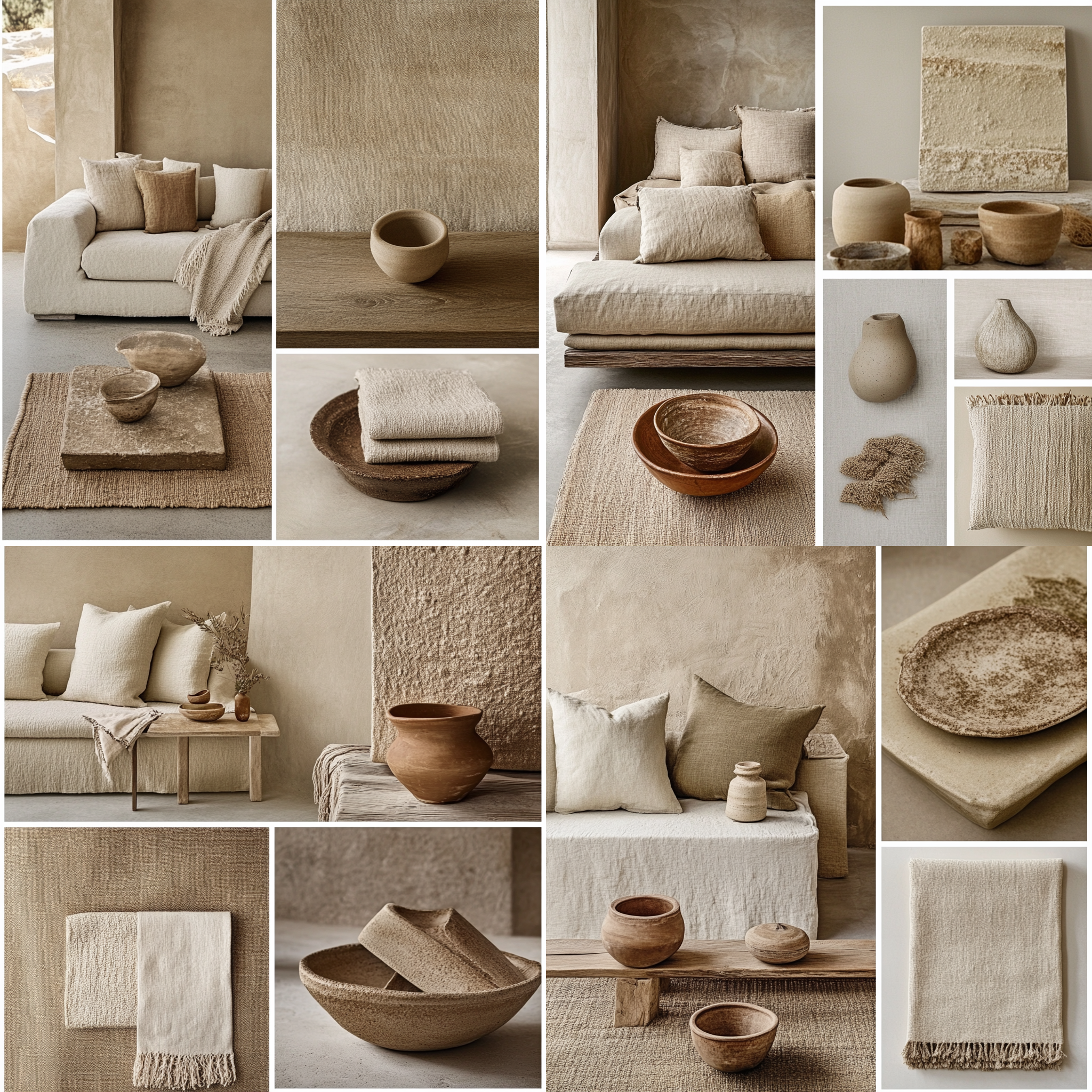
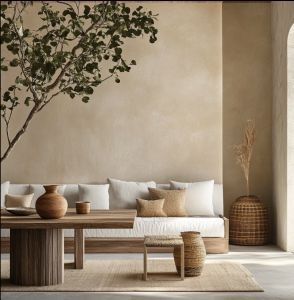
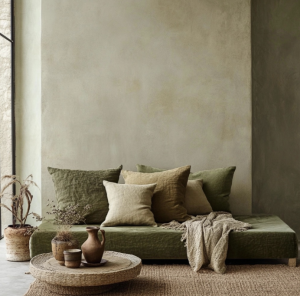
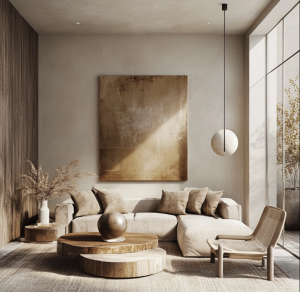
Warm, earthy tones remain at the forefront, offering a sense of calm and grounding. Think muted terracottas, olive greens, warm beiges, and sandy neutrals. These shades bring a natural warmth to spaces, blending seamlessly with sustainable materials like reclaimed wood and natural stone. In 2025, these tones are being paired with textured fabrics like linen and wool, as well as artisanal decor pieces, to create layers of visual interest. Accent walls, pottery, and soft furnishings in these hues further enhance the feeling of tranquility. The result? A timeless elegance that feels both sophisticated and deeply connected to nature, making every room an inviting retreat.
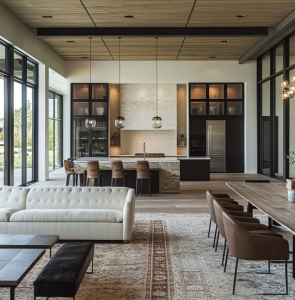
- Open Floor Plans
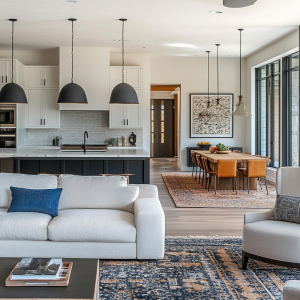
The open floor plan continues to dominate, encouraging flow and interaction. By merging living, dining, and kitchen spaces, homes become more welcoming and communal. In 2025, open floor plans are evolving to prioritize adaptability and personalized design within the shared space. Strategic zoning through rugs, lighting, and furniture arrangements ensures these areas remain functional and cohesive, while creative dividers like open shelving, partial walls, or glass partitions provide subtle separation without sacrificing openness. Enhanced acoustics and smart ventilation systems are also being incorporated to ensure comfort and usability in these multi-purpose areas. This trend reflects a balance between spaciousness and the ability to cater to individual needs within the larger communal environment.
- Minimalism with Purpose
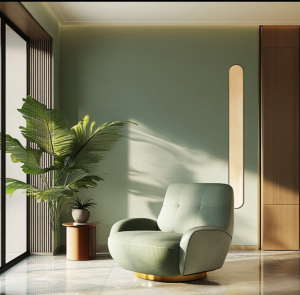
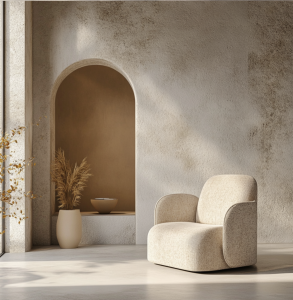
Minimalism in 2025 moves away from cold, sterile spaces and embraces the idea of meaningful simplicity. It’s not about stripping away all decoration but about removing unnecessary elements and
focusing on what adds value—whether that’s through functionality or emotional resonance. Think of clean lines and a restrained color palette, but with carefully selected pieces that evoke a sense of calm or have a clear purpose. This trend reflects a deeper connection to the spaces we live in, promoting a balanced, intentional environment. For example, a beautifully crafted chair that’s both comfortable and artful, or a carefully chosen plant that enhances the air quality and mood of the room.
- Individuality as the New Standard
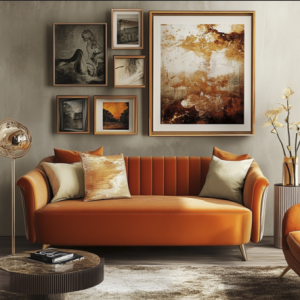
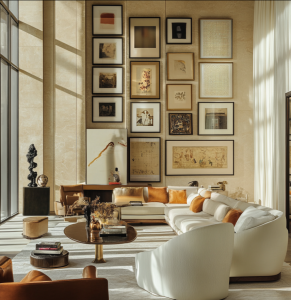
Gone are the days of one-size-fits-all design. In 2025, personalization is key, and homes are becoming a reflection of personal identity. Whether it’s a wall filled with meaningful photos from travels, a vintage lamp that’s a family heirloom, or custom furniture that speaks to one’s style, individuality is celebrated. This trend encourages homeowners to curate their spaces with items that tell a story or evoke nostalgia. The goal is for a home to feel truly one-of-a-kind, with no two homes looking exactly the same. Bespoke design elements, from furniture to artwork, allow each home to become a personal sanctuary, filled with unique, emotional connections. Homes are becoming personal sanctuaries, reflecting the unique stories and styles of their occupants. Whether it’s a curated gallery wall of travel photos, a one-of-a-kind vintage find, or bespoke furniture, individuality is celebrated. The key is to tell a story through design—letting your home speak to your personality and passions.
- Harmony of Forms and Textures
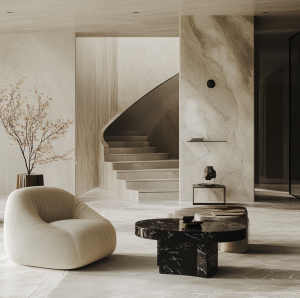
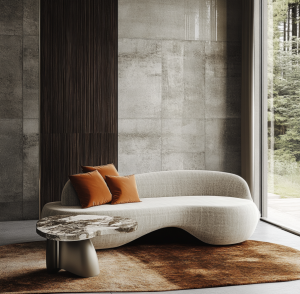
2025 is all about contrast—bringing together smooth and rough, hard and soft, matte and glossy, structured and fluid. Designers are experimenting with combining different textures and forms to create spaces with more depth and tactile interest. For instance, sleek metals might be juxtaposed with plush velvet cushions, or smooth glass surfaces with rugged stone elements. This harmonious interplay of contrasting materials adds layers of character to a room, inviting the senses to explore each corner. Whether it’s pairing polished marble countertops with raw wood accents or combining matte black finishes with soft textiles, the texture combination invites a richer, more dynamic experience. Contrast is key in 2025, with designers embracing the interplay of smooth and rough, shiny and matte, soft and structured. Pairing sleek metals with plush fabrics or raw wood with polished stone creates visual interest and tactile richness. This harmony of forms and textures adds depth and character to any space.
- Functionality Takes Center Stage
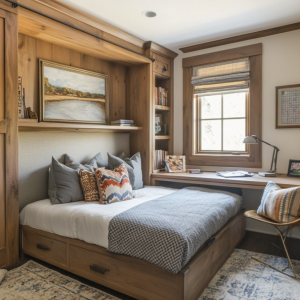
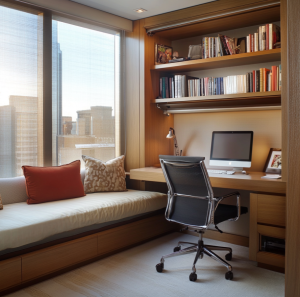
In a world where flexibility is increasingly important, homes must adapt to the changing needs of their occupants. 2025 emphasizes practicality without sacrificing style. Spaces are designed with multiple functions in mind, such as living rooms that double as workspaces or bedrooms that can easily transform into a home office. Foldable or stackable furniture, multifunctional storage, and hidden compartments are becoming essential, ensuring every square inch of space is utilized effectively. These smart, adaptable designs cater to modern lifestyles, where functionality is not only expected but demanded. Think about home offices with convertible desks, or living rooms with modular seating that can be reconfigured to accommodate guests or expand for larger gatherings.
- Smart Home Integration
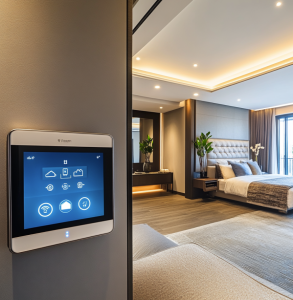
Technology is seamlessly blending into design, with features like voice-activated controls, energy-efficient smart appliances, and automated lighting creating intuitive and efficient living spaces. In 2025, smart home integration goes beyond convenience, offering personalized experiences that cater to individual lifestyles. Systems like smart thermostats and automated window shades optimize energy usage, while integrated security solutions provide peace of mind. Smart kitchens feature touchless faucets and connected appliances that streamline cooking and cleaning, while whole-home systems allow users to control lighting, sound, and climate with a single app or voice command. These innovations not only enhance functionality but also align with sustainable living practices, making smart home integration a cornerstone of modern design.
- Layered Lighting
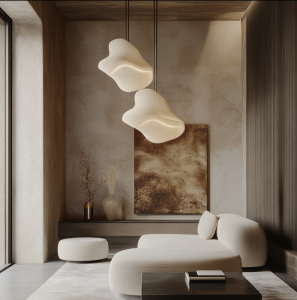
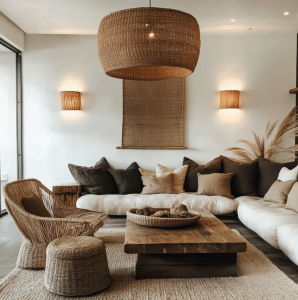
Beyond functionality, lighting design is becoming an art form. Layered lighting involves combining ambient, task, and accent lighting to achieve a dynamic and balanced environment. Sculptural pendant lights serve as statement pieces, while ambient LED strips provide soft, indirect illumination that sets the tone. Task lighting ensures functionality in areas like kitchens and offices, while accent lighting highlights architectural features, artwork, or textured walls. Designers are also incorporating dimmable systems to allow for flexible lighting schemes that can transition from day to night, enhancing both practicality and atmosphere. By thoughtfully layering different light sources, spaces can achieve a warm, inviting, and multidimensional aesthetic.
- Outdoor Living Spaces
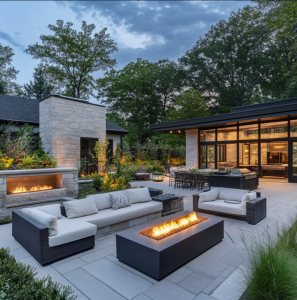
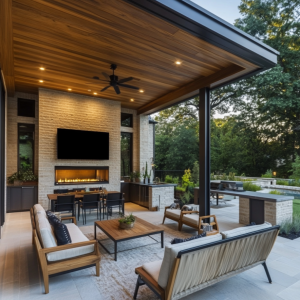
Extending the home outdoors is a priority, with patios, decks, and balconies being transformed into stylish and comfortable living areas. In 2025, outdoor living spaces are being designed as true extensions of the interior, seamlessly connecting the indoors with nature. Luxurious seating, weather-resistant materials, and features like outdoor kitchens, fire pits, and ambient lighting make these areas functional year-round. Landscape design, including lush greenery and water elements, further enhances these spaces, creating serene environments for relaxation and entertainment. The emphasis is on blending comfort with aesthetic appeal, ensuring outdoor areas are as inviting and versatile as their indoor counterparts.
- Biophillic Design
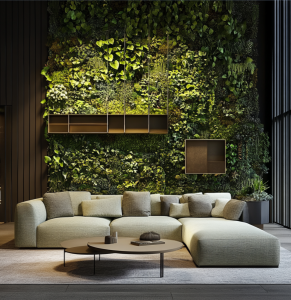
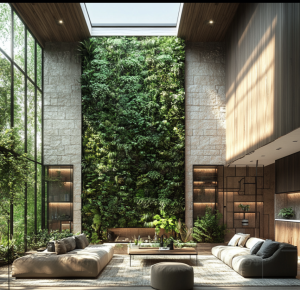
Bringing the outdoors in remains popular, with indoor plants, green walls, and natural light enhancing wellness and connection to nature. Biophilic design goes beyond simply adding greenery; it incorporates natural elements into the very fabric of interiors. Large windows and skylights invite abundant natural light, blurring the lines between indoor and outdoor spaces. Materials like stone, wood, and bamboo are used to create a tactile connection to the environment. Living walls or vertical gardens act as dynamic focal points, while water features add a calming, sensory element. Studies have shown that biophilic design can improve mood, reduce stress, and boost productivity, making it an essential trend for modern living spaces that prioritize both beauty and well-being.
Additional Trends Worth Noting
Sustainable Practices:
Eco-friendly materials and energy-efficient designs are not just trends but necessities, reflecting a commitment to the planet.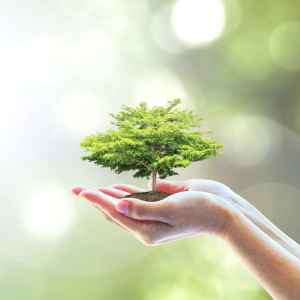
Bold Accents:
While neutrals dominate, pops of bold color—like jewel tones or vibrant art pieces—are making statements, adding personality and dynamism.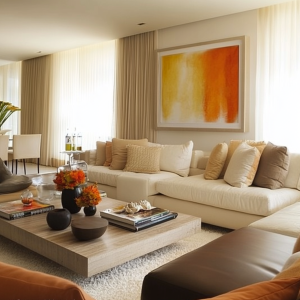
Vintage Revival:
Retro-inspired designs are making a comeback, with mid-century modern furniture, Art Deco influences, and antique pieces adding character and charm to contemporary spaces.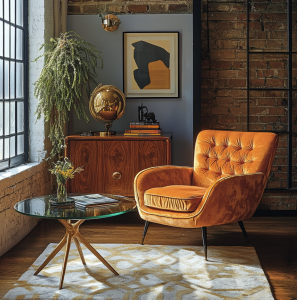
Conclusion
The interior design trends of 2025 prioritize harmony, individuality, and adaptability. By combining earthy tones, functional layouts, and personal touches, these designs create spaces that are not only beautiful but deeply meaningful. Whether you’re redesigning a single room or an entire home, these trends offer inspiration to transform your space into a reflection of who you are and how you live.
These trends highlight a shift toward purposeful, personalized, and functional designs that cater to both the emotional and practical needs of homeowners in 2025. The emphasis is on creating spaces that feel authentic, adaptable, and visually dynamic, all while being rooted in intentional choices.
Let’s make 2025 the year your interior dreams come to life!
